





















Environmental Management and Resource Efficiency
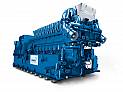
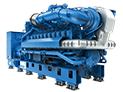
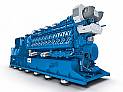
Around the globe, MWM gas engines and generator sets enjoy an excellent reputation. This forms the basis for a duty that MWM accepts and fulfills toward customers, employees, and society.
MWM develops energy solutions based on gas engines with the goal of generating energy efficiently while taking environmental considerations into account. The focus is on efficiency, emissions, fuel utilization, and ongoing technical advancement.
The MWM brand considers the responsible use of natural resources to be part of its corporate responsibility. For this reason, we constantly endeavor to optimize the use of resources by our gas engines and power generator sets.
Using Energy Efficiently
Premium quality and efficiency of the products represent the core of the MWM promise.
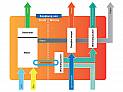
Apart from generating power, MWM gas engines can be used in combined heat and power (CHP) plants or combined cooling, heat, and power (CCHP) plants in order to additionally deliver heat and cooling. Depending on the plant design, the carbon dioxide contained in the exhaust gas can be processed and used as plant fertilizer, e.g. in greenhouses.
The actual efficiency that can be achieved depends on various factors, such as the engine, plant configuration, fuel, and operating conditions.
Using Different Types of Gas
Depending on the series and configuration, MWM gas engines can be fueled with different types of gas:
- Natural gas
- Biogas
- Sewage gas
- Landfill gas
- Other special gases
- Hydrogen admixtures of up to 25 vol.% in selected applications
This provides efficient energy solutions for a variety of applications.
Keeping Emissions in Check
When developing its engines and power generation systems, MWM places a strong focus on reducing emissions. The control systems, plant configuration, and exhaust gas treatment are some of the factors that ensure compliance with applicable emission requirements.
The targets to be reached depend on the specific application and operating conditions.
Energy Management Systematically Embedded
Target-oriented energy management establishes the organizational framework for identifying and evaluating relevant environmental aspects and opportunities for improvement.
The Caterpillar Energy Solutions energy management system is certified in accordance with DIN EN ISO 50001-2018.
Ongoing Development
Some of the areas MWM focuses on in its research and development:
- Efficiency
- Emissions
- Fuel flexibility
- Plant reliability
- Engine and plant control
- Implementation of necessary technical or regulatory requirements
Service and maintenance offerings as well as retrofit solutions for existing engines help operators maintain the technical performance and availability of existing plants throughout their service life.
Frequently Asked Questions
What Role Does Environmental Management Play at MWM?
Environmental management provides a systematic framework for identifying and evaluating relevant environmental aspects and opportunities for improvement. The Caterpillar Energy Solutions environmental management system is certified in accordance with DIN EN ISO 50001-2018.
What Are the Benefits of Combined Heat and Power Generation?
In combined heat and power generation, usable heat and electricity are generated concurrently. This allows the energy generated to be used for both heat and power supply. The overall efficiency depends on the plant and operating conditions.
What Types of Gas Can MWM Gas Engines Use?
Depending on the series and configuration, MWM gas engines can run on natural gas, biogas, sewage gas, landfill gas, and other special gases. In certain applications, hydrogen admixtures are also possible.
How Does MWM Take Emissions into Account?
The aspect of emissions plays a key role in engine and plant development. The control systems, plant configuration, and exhaust gas treatment ensure compliance with applicable emission requirements for the respective application.
How Does MWM Support Existing Plants?
MWM offers service and maintenance services as well as retrofit solutions for engines. These help operators maintain the performance and availability of existing plants throughout their service life.